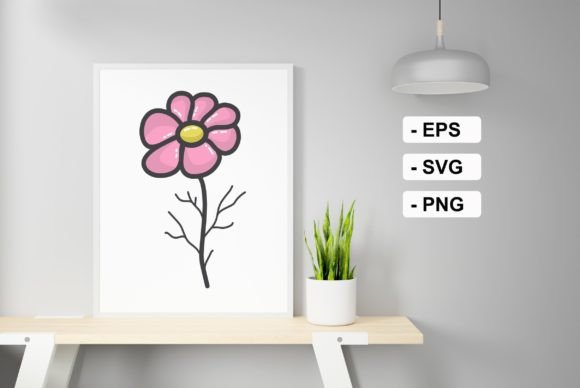
Cute Flower: A Designer's Real-Stitch Review
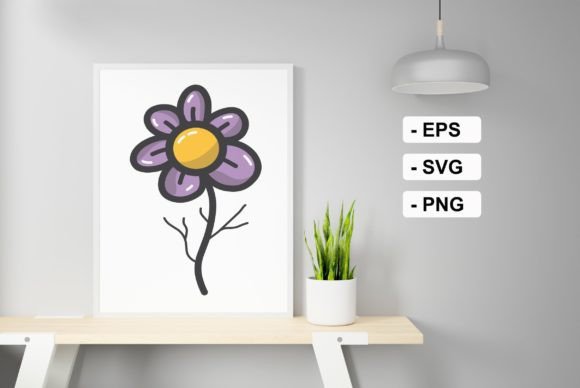
When I first opened the Cute Flower design, I immediately pictured it stitched onto a soft canvas tote bag in gentle pastel threads. There is something quietly cheerful about the way the petals curve, almost like a hand-drawn doodle that found its way onto fabric. The mood is playful without being childish, and that balance is harder to achieve than most people realize. As someone who has tested hundreds of design assets on actual embroidery machines, I pay attention to that first gut reaction. It usually tells me whether a design will connect with customers or just sit unnoticed in a shop listing.
The Cute Flower design carries a light, friendly personality. The shape feels organic, the proportions are pleasing, and the overall layout leaves enough breathing room for placement on a variety of products. I can already see it working as a corner accent on a baby bib, a centered motif on a pillow cover, or a repeating element across a set of kitchen towels. The visual personality is warm and approachable, the kind of design that makes someone pause and smile. That is exactly what small business owners and Etsy sellers need in a crowded market. A design that sparks a tiny emotional response stands a much better chance of earning a click, a favorite, and eventually a sale.
What Makes Cute Flower Feel Right for Handmade Products
There is a genuine sweetness to Cute Flower that does not tip into saccharine territory. The lines are clean, the overall composition is uncluttered, and the theme is versatile enough to span seasons and occasions. I could easily imagine this on a spring market tote, a summer picnic blanket, or a cozy holiday apron. The adaptability of the design is one of its strongest assets. When you run a small embroidery business, you want files that can earn their keep across multiple product categories. Cute Flower has that kind of range.
From a stitching perspective, the design appears to rely on smooth curves and gentle transitions rather than dense, compact areas. That is a good sign. Designs with overly dense fill stitches can cause puckering on lightweight fabrics or make the finished product feel stiff and uncomfortable. Cute Flower seems to favor a more open, breathable structure. When I mentally map out the stitch types this would likely use, I picture a combination of satin stitch outlines for the petal edges, running stitch details for the center accents, and light fill stitch areas that maintain fabric drape. That combination tends to produce a clean, professional result without overwhelming the fabric or the embroidery machine.
Where Cute Flower Truly Belongs
Let me walk you through a real scenario. Last month, I was preparing a batch of custom embroidered tote bags for a local boutique. The shop owner wanted something floral, charming, and not too intricate, something that would appeal to women in their twenties and thirties looking for an everyday carry-all with personality. I tested several floral designs before landing on one that felt right. Looking at Cute Flower now, I wish I had it in my library back then. The scale and simplicity would have made it a perfect candidate for the front pocket of a medium-weight canvas tote. The stitching would read clearly from a few feet away, and the gentle flower shape would soften the utilitarian nature of the bag just enough to make it feel special.
That tote bag scenario is not the only place Cute Flower would shine. I can picture it stitched onto the chest of a lightweight sweatshirt, where the design would sit nicely without distorting when the fabric stretches. On baby clothes, the gentle curves and friendly theme are a natural fit. Parents gravitate toward designs that feel sweet and safe, and Cute Flower delivers that without leaning on tired, overused motifs. On a set of pillow covers, the design could anchor a simple, elegant bedroom refresh. On a kitchen apron, it adds a touch of warmth without being overly decorative. Even on a cap, placed off-center near the brim, the design could give a subtle, handmade touch that feels intentional and modern.
Small Products, Big Impact
I also see strong potential for Cute Flower on smaller items. Embroidered patches, for instance, are having a major moment right now. A neatly stitched Cute Flower patch on a denim jacket or a backpack flap would have undeniable charm. The shape is compact enough to fit a standard patch hoop, and the design does not rely on tiny details that would get lost at a reduced size. Keychains, zipper pulls, and small gift tags could all benefit from a scaled-down version of this flower. The key is testing the design at different sizes on scrap fabric first. I always recommend stitching a sample at the intended size, then stepping back and viewing it from the distance a customer would actually see it. Cute Flower holds up well in that mental test, but every machine and fabric combination is a little different.
Fabrics, Threads, and the Realities of Stitching
Not every design plays nicely with every fabric, and Cute Flower is no exception. On smooth, stable fabrics like cotton twill, linen, or medium-weight canvas, I expect the design would stitch out beautifully. The clean lines would translate well, and the thread colors would pop against a solid background. On textured fabrics like terry cloth or heavily napped fleece, you would need to be more careful. The flower's details could get swallowed up by the fabric texture, especially if the design includes smaller inner elements. A heavier stabilizer and a topping layer might help, but the result would still depend heavily on the specific fabric and machine settings.
Thin or stretchy fabrics present another challenge. On a lightweight jersey t-shirt, for example, the design would need proper cutaway stabilizer to prevent distortion. Without it, the satin stitch outlines could pull and warp the fabric, turning a cute flower into a misshapen blob. I have learned that lesson the hard way more times than I care to admit. Dark fabrics also require extra thought. If the Cute Flower design uses light or pastel thread colors, they may not show up well on a black or navy background. Testing on a dark fabric sample is essential before committing to a full production run. Sometimes a simple thread color swap, from pale pink to a brighter coral, makes all the difference in visibility and impact.
Hoop Size and Placement Considerations
Before stitching Cute Flower onto any product, confirm that the design fits comfortably within your available hoop sizes. The design should have enough clearance around the edges so the hoop does not interfere with the stitching. I always leave at least a half-inch margin between the design boundary and the inner hoop edge. If you are planning to place the design on a curved surface like a cap, be aware that the flower's shape may distort slightly as it wraps around the curve. A design that looks perfectly round when flat can appear slightly stretched when stitched on a curved cap panel. Running a test on an actual cap, or on a similarly curved surface, is the only way to know for sure.
Customer Appeal and Product Value
When I evaluate a design for my own product line, I ask myself one question: would a customer pay extra for this? With Cute Flower, the answer leans strongly toward yes. The design adds a noticeable handmade quality to any product it touches. On a plain tote bag, it transforms the item from a basic utility object into something that feels curated and thoughtful. On a baby onesie, it elevates a simple garment into a gift-worthy piece. That perceived value matters enormously in the handmade and small-batch market. Customers are not just buying a product. They are buying the feeling that someone cared enough to choose a beautiful, well-placed design.
From a branding perspective, Cute Flower offers a consistent, recognizable look. If you use it across multiple products, your shop develops a visual signature. Customers start to recognize your style. That kind of brand consistency builds trust and encourages repeat purchases. The design is also neutral enough to work alongside other motifs without clashing. You could pair it with a name, a monogram, or a simple phrase without the overall composition feeling crowded or chaotic.
Practical Notes for Embroidery Designers and Sellers
If you are planning to use Cute Flower for commercial embroidery projects, there are a few practical steps I always recommend. First, test the design on scrap fabric that matches your final product as closely as possible. Pay attention to thread tension, stitch density, and how the fabric reacts to the needle penetrations. If the design produces too many dense stitches in a small area, the fabric may pucker or even tear. Adjusting the digitization settings, if the file allows for that, can help mitigate these issues.
Second, check your thread color choices under different lighting conditions. A thread that looks perfect under your studio lights may look washed out in natural daylight or under warm indoor lighting. I keep a small swatch book of thread colors on different fabric backgrounds to reference before committing to a final combination. Cute Flower, with its gentle and friendly vibe, tends to work best with soft, natural tones. Muted pinks, sage greens, buttery yellows, and warm creams all complement the design's personality. That said, a bold monochrome version in white thread on a dark fabric could also look striking and modern.
Third, review the licensing terms before selling finished products or digital embroidery files based on Cute Flower. The product description mentions that the design can be edited to adjust shape and color, and that it is suitable for printing on t-shirts, mugs, posters, hoodies, and tumblers. However, it does not specify embroidery file formats, stitch counts, or the exact terms for commercial embroidery use. I strongly advise reaching out to the designer or platform to clarify whether the license covers machine embroidery digitization, physical product sales, and digital embroidery file redistribution. Assuming permission without checking can lead to problems down the line, especially if you are selling on Etsy or at craft fairs.
Final Stitch Thoughts on Cute Flower
After spending real time thinking through how Cute Flower would perform across different products, fabrics, and selling scenarios, I can say this design has genuine potential for embroidery projects. It is not the flashiest floral design out there, and that is precisely its strength. The quiet charm, the adaptable shape, and the friendly personality make it a reliable workhorse for craft businesses. Whether you are stitching a single custom tote for a friend, building a product line for a boutique, or filling your Etsy shop with handmade goods, Cute Flower brings a steady, appealing presence that customers respond to.
The real test always happens at the embroidery machine. Fabric, thread, stabilizer, and hoop combine to reveal what a design is truly made of. From my experience, a design with clean lines, manageable detail, and a clear visual identity almost always stitches out well when the proper preparation is in place. Cute Flower checks those boxes. Give it a thoughtful test run, respect the fabric and stabilizer requirements, and I suspect you will find it earns a permanent spot in your embroidery design library.