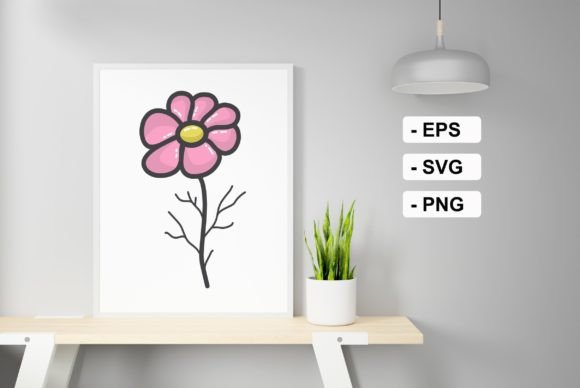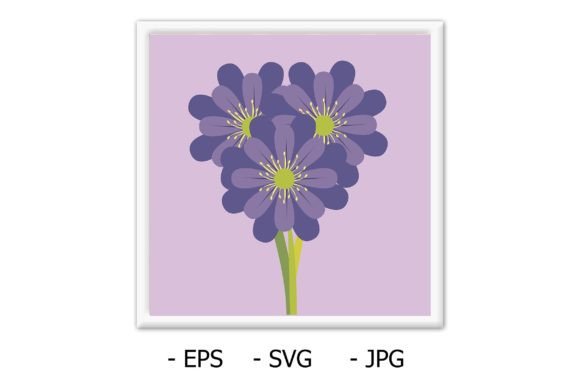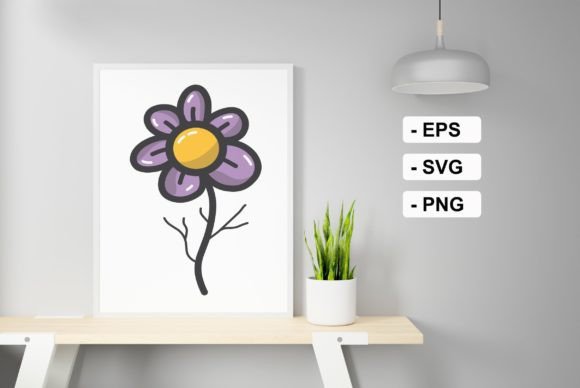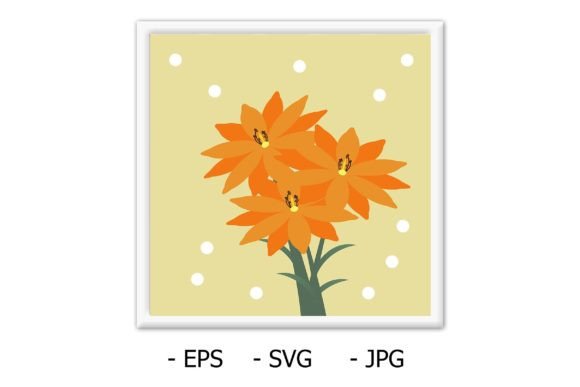
Flower Wall Art in Real Embroidery Work
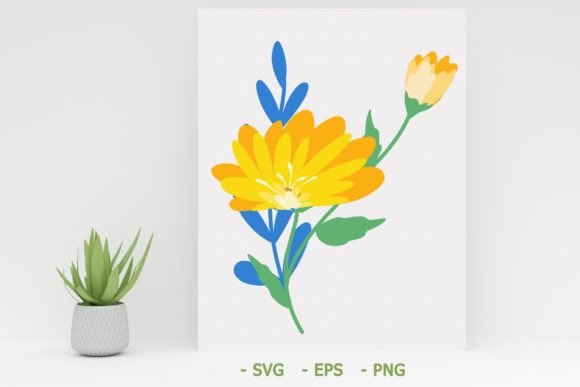
I have looked at hundreds of floral designs over the years, and I can usually tell within seconds whether something will actually hold up on fabric or just look pretty on a screen. Flower Wall Art caught my attention because it carries a certain quiet confidence. It is not trying to be the loudest design in the room, and that is exactly what makes it useful for handmade projects where the stitching needs to speak for itself.
The first thing I noticed was the overall shape. The composition feels balanced without being stiff, which matters a great deal when you are planning a custom embroidered tote bag or a sweatshirt that someone will actually wear. A design that is too rigid looks mass-produced. One that is too loose can look messy under thread. This one sits in a comfortable middle space that gives me room to work with it.
First Impressions That Matter for Stitching
When I opened Flower Wall Art, I immediately pictured it on a natural linen pillow cover. The mood is soft, slightly botanical, and warm. It has a hand-drawn personality that translates well to machine embroidery because the lines feel intentional rather than accidental. In my experience, designs with this kind of organic flow produce better stitch paths and fewer awkward jump stitches.
The detail level is thoughtful without being overwhelming. I have ruined more than one project by choosing a design that looked gorgeous as a digital file but turned into a dense, puckered mess on fabric. This one feels like it was made with an understanding of how thread behaves. The petals have breathing room. The curves are gentle enough for satin stitch edges to look clean rather than jagged.
For anyone selling finished products on Etsy or at craft fairs, the visual personality of a design directly affects how customers perceive value. A design that looks delicate and considered makes people pick up the item. They turn it over in their hands. They smile. That is the kind of reaction I expect from a well-stitched version of this flower artwork.
A Real Scenario: The Custom Tote Bag Test
Let me walk you through how I thought about using Flower Wall Art in a real project. A client asked me to create a set of personalized embroidered tote bags for a small boutique opening. She wanted something botanical, elegant, and not overly feminine, so the bags would appeal to a broad range of customers walking into her shop.
I pulled up this design and immediately started testing it in my mind. The placement on a standard canvas tote made sense. I could see it centered on the front panel, stitched in muted sage green and dusty rose thread on natural cotton. The scale felt right for a medium hoop size, and the shape would not distort when the bag was filled with items and carried around.
I also considered how the design would look after multiple washes. Canvas totes get thrown around. They get dirty. They go through the laundry. A design with overly dense fill stitch areas would start to feel stiff and eventually crack. The open, airy structure of this floral layout suggests it would breathe well on fabric and age gracefully, which is exactly what boutique customers expect from a handmade product they paid a premium for.
How the Design Performs Across Different Products
One of the strengths of a versatile floral design is that it can move across product categories without losing its identity. I mentally placed Flower Wall Art on several different items and here is what I found.
Sweatshirts and Apparel
On a crewneck sweatshirt, this design would work beautifully as a left-chest placement or a larger back panel piece. The curves are soft enough to follow the body without looking warped when worn. I would recommend testing it on a scrap of fleece or French terry first, because textured fabrics can swallow fine details. A medium-weight cutaway stabilizer would be non-negotiable here to keep the stitching crisp through stretch and movement.
Baby and Nursery Items
This is where Flower Wall Art truly shines. The gentle, nature-inspired mood fits perfectly on baby blankets, onesies, and nursery wall hangings. Parents gravitate toward designs that feel safe and sweet without being cartoonish. I can easily see this stitched in soft pastel threads on a muslin swaddle blanket or a tiny cotton bib. The key with baby items is making sure there are no dense stitch areas that could feel rough against sensitive skin, and the open structure of this design gives me confidence on that front.
Kitchen and Home Textiles
Tea towels, aprons, and pillow covers are bread-and-butter products for many embroidery business owners. Flower Wall Art lends itself especially well to linen and cotton-linen blends. The slightly rustic, botanical feel of the design pairs naturally with the texture of woven kitchen textiles. I would probably stitch it in a single rich color, like terracotta or deep olive, to let the shape do the talking.
Caps and Hats
Curved surfaces are tricky, and I would be cautious here. The design has enough width that placing it on a baseball cap would require careful hooping and likely a smaller reproduction size. Some of the finer petal details might get lost on structured caps with thick front panels. I would test it on a dad hat or a softer bucket hat first, where the fabric is more forgiving and the curve is less extreme.
Practical Considerations Before You Stitch
I always tell fellow makers that the gap between a beautiful digital file and a successful finished product is filled with testing. Here are the practical notes I would follow if I were preparing Flower Wall Art for a client order or shop inventory.
Test on scrap fabric first. This is not optional. Even if you have stitched hundreds of floral designs, every file behaves differently. Run a sample on the same fabric type you plan to use for the final piece. Cotton, linen, fleece, and canvas all take thread differently, and you need to see how the stitches settle into the specific material.
Check thread color contrast carefully. A design that looks crisp on screen in dark gray and white might wash out completely on a cream fabric if your thread choices are too subtle. I usually test at least two color combinations before committing. High contrast reads better from a distance, which matters for products displayed at craft fairs or in Etsy listing photos.
Review stitch density. If the design has tight fill stitch areas, they can cause puckering on lightweight fabrics and stiffness on heavier ones. I always look at the stitch map before loading a new file onto my machine. If the density feels too high for the fabric I am using, I adjust accordingly or choose a different stabilizer strategy.
Confirm hoop size compatibility. Before you get emotionally attached to a design, make sure it fits within your available hoop sizes. I have made the mistake of falling in love with a design only to realize it required a hoop I did not own. Measure twice, stitch once, as the saying goes.
Inspect small details before production. Tiny petals, thin stems, and delicate curves are the first things to blur or disappear under thread. Zoom in on the design file and imagine how each element will translate to a physical stitch. If something looks questionable at high magnification, it will probably look worse on fabric.
Test on both light and dark backgrounds. A design that looks stunning on white cotton might lose all its charm on a charcoal gray sweatshirt. Thread colors that pop on light fabric can recede into dark backgrounds. I keep a small stack of fabric swatches in different shades specifically for this kind of testing.
Use the right stabilizer. For structured items like tote bags and caps, I use a firm cutaway stabilizer. For delicate items like baby onesies, a soft tear-away or wash-away stabilizer protects the skin while keeping the stitches intact. The stabilizer is not just a support system. It is the foundation of the entire embroidery project.
How This Design Affects Customer Perception
I think a lot about how a finished product makes a customer feel. When someone opens a package and sees a beautifully embroidered item, they form an immediate impression about the quality of your work. Flower Wall Art has the kind of gentle, artistic quality that makes handmade products feel thoughtful and intentional rather than rushed and generic.
For Etsy sellers and small shop owners, this matters enormously. A well-chosen design elevates your brand. It tells customers that you care about aesthetics, that you understand proportion and placement, and that you are not just slapping any design onto any product. The botanical feel of this flower artwork fits beautifully with the current preference for nature-inspired home decor and apparel, which means your products feel current without chasing trends in a way that will date them quickly.
Giftability is another factor I weigh heavily. People buy embroidered items as gifts for weddings, baby showers, housewarmings, and holidays. A floral design that feels classic rather than trendy has a much longer shelf life. I can imagine this design on a set of embroidered napkins gifted to a newlywed couple or on a personalized baby blanket that becomes a cherished keepsake.
Licensing and Commercial Use Notes
Before you stitch this design onto products you plan to sell, confirm the licensing terms. The description for Flower Wall Art mentions it is suitable for digital or print projects, but you need to verify whether commercial embroidery use is included. Some design assets in the Illustrations and Graphics categories allow broad commercial application, while others restrict usage to personal projects or require an extended license for physical products sold to customers.
I always recommend reaching out to the designer or checking the license documentation before investing time and materials into production. A clear understanding of what you can and cannot do protects your business and respects the original creator's work.
Where This Design Fits Best in a Craft Business
After spending time analyzing Flower Wall Art from every angle, I would confidently place it in the following product categories for a small embroidery business or handmade shop.
- Custom apparel such as sweatshirts, t-shirts, and lightweight jackets where the botanical vibe adds a soft, artistic touch.
- Home decor items including pillow covers, tea towels, and wall hangings that benefit from the design's organic shape and warm mood.
- Baby and nursery products where the gentle floral theme feels safe, sweet, and appropriate for a newborn's environment.
- Personalized gifts for holidays, weddings, and special occasions where customers want something handmade that feels elevated and thoughtful.
- Craft fair merchandise such as tote bags, aprons, and small accessories that catch the eye and sell quickly at in-person events.
I would be more cautious about using this design on highly textured fabrics, dark garments with subtle thread colors, and small hoop projects where the finer details might get lost. The design needs room to breathe, and cramming it into a tiny space would do it a disservice.
Final Thoughts From the Stitching Table
Flower Wall Art is the kind of design that makes me want to clear my schedule and spend a quiet afternoon testing thread colors and fabric combinations. It has a sincerity to it that translates well from screen to stitch, and I can see it becoming a reliable staple in my embroidery design library. For makers who prioritize quality, customer experience, and products that feel genuinely handmade, this one is worth a close look.
Run your tests, trust your instincts, and remember that the best embroidery projects come from the intersection of a thoughtful design and careful craftsmanship. This flower artwork brings the first part. The rest is up to you, your machine, and your willingness to stitch something beautiful.