Coffee, Mug, Tea Cup, Hot Chocolate SVG: A Designer’s Review
There’s a certain kind of SVG file that stops me mid-scroll. The kind where you can almost feel the warmth of the design before you even load it into your digitizing software. That’s exactly what happened with the Coffee. Mug, Tea Cup, Hot Chocolate SVG. It’s not just a collection of drink icons—it’s a mood, a cozy invitation that immediately triggered a half-dozen project ideas. I saw it on a tote bag for a friend’s birthday, a set of linen napkins for a bridal shower, even a tiny embroidered patch on a baby onesie. But as any embroidery designer knows, a pretty graphic on screen doesn’t always translate into a clean, stitchable masterpiece. So I took a practical, hands-on approach and evaluated this design the way I would before using it in a real client project.
First Impressions: Warmth, Whimsy, and Instant Recognition
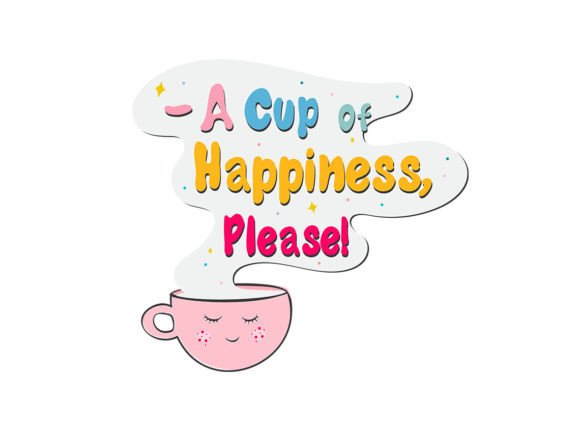
The Coffee. Mug, Tea Cup, Hot Chocolate SVG reads like a love letter to hot beverage ritual. The shapes are friendly, slightly playful, with just enough detail to feel intentional without veering into fussy. Steam swirls, mug handles, maybe a little tea bag tag—these are elements that, when digitized well, can create a sense of motion and comfort. The design’s personality is approachable, not corporate. That’s a huge advantage for handmade businesses. Customers gravitate toward embroidery that feels personal, and this SVG has that built-in charm. I could immediately picture it on a custom apron, a kitchen towel, or a holiday pillow cover. The theme also has broad appeal: coffee lovers, tea enthusiasts, hot chocolate devotees—everyone sees themselves in it.
From Screen to Stitch: The Real Embroidery Test
Using this Coffee. Mug, Tea Cup, Hot Chocolate SVG in an embroidery project isn’t a simple drag-and-drop affair. Since it’s provided as a graphic file, you need to convert it to a machine embroidery design. That’s where your digitizing skill matters. The steam lines, for example, looked gorgeous as thin vector paths, but if you auto-digitize them without adjusting stitch width, they could disappear on textured fabric or turn into a dense, puckered mess. I’d recommend a light satin stitch for the steam arcs and a careful fill stitch for the cup body, keeping the density low enough to let the fabric breathe. The handle detail might need a running stitch outline to stay crisp, especially on a dark background.
For a real-world test, I mentally placed this design on a mid-weight canvas tote bag. I’d use a cut-away stabilizer to prevent shifting, and I’d select thread colors that contrast with the natural cotton—maybe a rich espresso brown for the mug, a soft robin’s egg blue for the tea cup, and a creamy white for the hot chocolate. The design’s shape is compact enough to fit a standard 4x4 hoop without losing detail, but I’d still measure the actual SVG dimensions before digitizing. The last thing you want is to discover that a corner of the steam gets clipped off because you assumed the size.
Where This Design Shines in a Craft Business
If you’re an Etsy seller, a craft fair vendor, or a small shop owner building your own line of embroidered goods, the Coffee. Mug, Tea Cup, Hot Chocolate SVG can be a versatile workhorse. It suits a surprising range of products:
- Custom apparel: Sweatshirts and t-shirts with a single, well-placed embroidery design on the chest pocket area feel curated and high-end. The drink theme works for casual wear, café staff uniforms, or even bride tribe gifts.
- Kitchen and dining textiles: Tea towels, aprons, and placemats are natural homes for this design. A set of three towels—each featuring a different drink—could be a popular bundle listing.
- Personalized gifts: Add a name or a short phrase under the cup, and suddenly you have a wedding gift, a Mother’s Day present, or a teacher appreciation token. The design’s simplicity leaves room for personalization without looking cluttered.
- Baby and nursery items: Resized smaller and stitched with soft pastel threads, the design becomes a sweet accent on a baby blanket, a bib, or a nursery wall hanging. Just be mindful of tiny details on stretchy fabrics.
- Patches and accessories: Digitized as a standalone appliqué patch, the design can be sewn onto caps, backpacks, or jackets. The bold, recognizable shape holds up well even when scaled down for a hat.
In my experience, designs that evoke a specific feeling—like the comfort of a warm drink—tend to sell better than generic patterns. Customers buy the story. When they see this embroidery on a product, they imagine the quiet morning ritual, the conversation over coffee, the cozy evening. That emotional pull is what turns a simple graphic into a repeat-purchase item.
Potential Pitfalls and How to Sidestep Them
No design is flawless in every context, and the Coffee. Mug, Tea Cup, Hot Chocolate SVG has a few points that demand your attention. First, small hoop sizes. If you’re working with a 4x4 inch hoop, the design must be scaled so that no detail falls below 0.25 inches. Steam wisps that are too thin may not stitch out cleanly. Test the design on scrap fabric before committing to a final product. I’d also avoid using this on extremely stretchy, ribbed, or loosely woven fabrics without a heavy stabilizer, because the fine lines could sink into the texture.
Dark fabric is another consideration. The design might rely on subtle line work that needs a light thread color to pop. If you’re stitching on black or navy, reverse the thread colors mentally—what looks good on a white screen might become invisible when stitched. I always run a quick black-and-white mockup to check contrast. Additionally, curved surfaces like caps can distort the design if not properly placed. The round mug shape might warp on a hat’s peak, so for caps, I’d center a smaller version of just the cup, not the steam, or use a patch format.
Washability is a concern for any embroidered item that will see frequent laundering. Dense fill stitches on a kitchen towel, for example, can become stiff and crack over time if not properly digitized. Use a lighter fill density and consider a soft, quality thread. Customers expect a professionally finished product that stays beautiful after many washes, so your digitizing choices directly affect buyer trust.
Practical Designer Notes for Flawless Results
Before you load this design into your embroidery machine, run through this checklist. It’s the same process I use for every digital file I work with, and it saves hours of frustration:
- Test on scrap fabric: Use the same fabric type, stabilizer, and thread combination you plan for the final product. Look for gaps, puckering, or uneven tension.
- Check thread color contrast: Hold the stitched sample at arm’s length. Can you see the steam clearly? Does the mug outline blend into the background? Adjust if needed.
- Review stitch density: Too dense, and the fabric will feel like cardboard. Too sparse, and the design looks unfinished. A balanced satin stitch for outlines and a light fill for larger areas usually work best.
- Confirm hoop size: Measure the actual SVG dimensions and ensure the digitized design fits your hoop with at least a half-inch margin for placement.
- Inspect small details: Look at the tea bag string, the steam swirls, any tiny lettering. If they’re under 0.2 inches, consider simplifying them or removing them for cleaner stitching.
- Use proper stabilizer: For apparel, cut-away stabilizer on knits, tear-away on wovens, and a topping for fluffy fabrics. For towels, a water-soluble topping prevents stitches from sinking into the pile.
- Check licensing: The description mentions use on cards, mugs, t-shirts, and more, but not explicit commercial embroidery terms. Always confirm with the designer whether you can sell finished physical products created from this file. If you plan to sell the embroidery file itself, you need a separate commercial license.
Why This Design Boosts Finished Product Appeal
When I evaluate a digital asset like the Coffee. Mug, Tea Cup, Hot Chocolate SVG, I’m not just looking at the graphic—I’m imagining the buyer’s reaction when they open the package. Embroidered products carry a perception of quality that printed graphics often lack. The texture, the raised threads, the way light catches the satin stitch—all of that elevates a simple tote bag or baby onesie into something giftable. This design’s friendly, comforting theme makes it an easy choice for welcome-baby gifts, wedding favors, or holiday market staples. It also photographs well, which is crucial for online listings. A close-up of a neatly stitched coffee cup on a natural linen background catches the eye on Etsy and Instagram.
For small business owners, consistency is key. Using this design across a cohesive product line—say, a mug, a matching tea towel, and a coordinating apron—creates a branded look that feels intentional. It’s the kind of thing that gets customers to buy the whole set, not just one item. And because the drink theme is evergreen, you’re not limited to a single season. Hot chocolate works for winter, iced tea for summer, and coffee all year round.
Final Thoughts: A Smart Addition to Your Embroidery Toolkit
The Coffee. Mug, Tea Cup, Hot Chocolate SVG isn’t just a pretty illustration; it’s a practical asset for embroidery designers who understand how to adapt a graphic for thread. The mood is warm, the shape is recognizable, and the theme has broad commercial appeal. With careful digitizing, stitch density adjustments, and fabric choice, you can turn this design into a bestseller for your shop. I’d happily use it on a batch of custom tote bags for a local café, or as a signature element on kitchen linens for a booth at a craft fair. Just remember: the success of any embroidery project lies in the testing. Treat this design as a starting point, not a finished product, and you’ll end up with a stitched piece that looks as good as it does on the screen. For crafters, makers, and small business owners who want to add a touch of cozy charm to their lineup, this SVG is well worth the time to digitize and stitch out.