Plant Graphics and Illustrations for Handmade Crafters
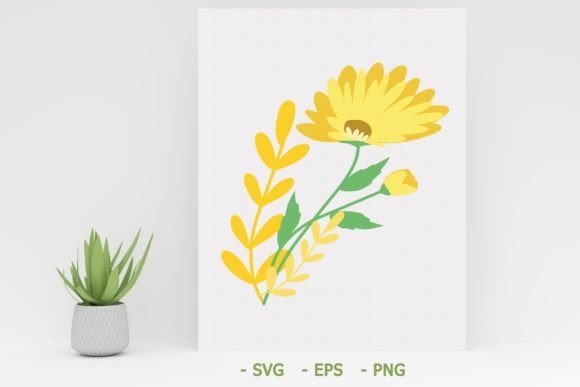
I have been designing and selling handmade products for over eight years, and I know exactly how exciting it feels to find a new graphic design asset that could become the centerpiece of a seasonal collection. When I first opened the Plant file, I was immediately drawn to the natural, grounded mood it creates. This is not a loud or overly trendy design. It feels organic, calm, and versatile in a way that appeals to buyers who love botanical aesthetics, earthy home decor, and subtle nature-inspired details. The style leans more toward a clean, decorative illustration than a hyper-realistic botanical print, which makes it incredibly flexible across different product categories. I could already picture it on a set of linen-feel tea towels, a soft cream mug, or a minimalist greeting card set that would perform beautifully at a craft fair or inside a curated Etsy shop.
The personality of this Plant illustration sits somewhere between rustic and elegant. It has enough structure to feel polished and intentional, but it also carries a handmade warmth that does not compete with the other elements in a design layout. For handmade sellers and small business owners who build their brand around gentle, organic, or slow-living aesthetics, this asset fits right in. It suggests a cozy, minimal, and slightly upscale feel that attracts customers looking for thoughtful gifts, nursery decor, wedding favors, or self-care products. If you sell printable wall art, planner stickers, or custom apparel, this design gives you a solid foundation to build a cohesive product line around.
First Impressions as a Handmade Product Designer
When I evaluate any illustration for my handmade business, I look at it from three angles immediately. First, does it have a clear silhouette that will translate well into a SVG design for cutting machines? Second, does the composition hold up when scaled down to a small sticker or gift tag? Third, does it evoke an emotional response that I can market to my customers? The Plant design checks the first and third boxes with confidence. The silhouette is distinct and recognizable, and the overall mood is soothing and commercially appealing. The second point, scaling, requires a bit of testing depending on the complexity of the particular plant form, but overall it holds its shape well when reduced to around two inches, which is a practical size for planner stickers, envelope seals, and small product labels.
Opening the file, I found the layers organized and the lines clean enough to begin working with minimal cleanup. For anyone who has spent hours wrestling with poorly traced clipart, you know how valuable that immediate readiness is. The PNG design version had a transparent background that previewed cleanly on both light and dark mockup surfaces, which is critical if you plan to use this for sublimation or print-on-demand products where edge quality matters.
How I Tested the Plant Design Across Real Craft Products
I ran this Plant graphic through a practical workflow that mirrors exactly what I do when preparing a new product batch for an Etsy shop update or a local market. I tested it on a Cricut project, a mug sublimation layout, a sticker sheet arrangement, and a simple printable wall art composition. Here is what I learned.
Cricut and Silhouette Cutting Performance
For vinyl cutting, I imported the SVG design into Cricut Design Space and did a test cut on permanent adhesive vinyl. The results were encouraging. The main shapes cut smoothly, and the weeding process was straightforward for the larger sections. If your version of the Plant design includes any fine stems, delicate leaf veins, or thin botanical details, I recommend doing a test cut on scrap material before committing to a full production run. Thin lines can sometimes lift or tear during weeding, especially on intricate illustrations that were originally created for digital display rather than physical cutting. For a Silhouette project, the same rule applies. Adjust your cut settings, slow down the speed slightly, and always preview the cut lines before sending the job.
For heat transfer vinyl applied to tote bags and t-shirts, the design pressed beautifully. The organic shape of the Plant graphic looks natural on fabric, and the slightly decorative feel elevates a simple cotton tote into something that feels boutique-worthy. I paired it with a soft serif font for a quote underneath, and the result was a product I would confidently sell at a premium price point.
Sublimation and Mug Design Testing
The PNG design at 300 DPI held up well when I placed it into a sublimation layout for a standard white mug. The colors remained crisp, and the edges did not appear pixelated after pressing. One note I always share with fellow crafters is to test your colors on a physical product before listing it in your shop. What looks soft and muted on screen can sometimes print slightly darker or more saturated depending on your printer profile, sublimation paper, and blank quality. I ran two test mugs with slightly different color adjustments, and the second one, with a touch of warmth added to the green tones, matched my vision perfectly. This is a standard step in my workflow, and I recommend it for anyone using graphics like this one for customer orders.
Sticker Sheets and Small Format Products
I created a simple sticker sheet layout using the Plant illustration as the focal piece, surrounded by smaller coordinating elements from my existing design library. At roughly two and a half inches, the design remained clear and visually balanced. For sticker sizes below one and a half inches, I would consider simplifying the design or using only the boldest section of the plant shape to maintain readability. This is not a flaw unique to this asset. It is a practical consideration for any clipart or illustration with organic, flowing lines. Small sticker sizes demand high contrast and clean shapes, and delicate botanical details can sometimes blur together at tiny scales.
Where This Plant Graphic Truly Shines
Based on my testing, the Plant design excels in several product categories that are consistently popular among handmade sellers and creative entrepreneurs. If you sell in a creative marketplace or run a small handmade business, these are the applications where I believe this asset delivers the strongest return.
- Printable wall art for nurseries, living rooms, and home offices
- T-shirt design with a minimalist or nature-inspired aesthetic
- Mug design for gift sets, subscription boxes, and seasonal collections
- Tote bags with a clean, boutique feel
- Greeting cards and thank-you cards for handmade packaging
- Gift tags and party decorations for weddings and baby showers
- Tumbler wraps with a soft, botanical look
- Planner stickers and scrapbooking embellishments
- Handmade packaging accents and small business branding elements
I also used the Plant graphic on a product mockup for a linen pillow cover, and the result was stunning. The natural theme complements textile products beautifully, and if you sell home decor items, this is a direction worth exploring. Many Etsy sellers and craft fair vendors build entire collections around a single botanical motif, and this design has the versatility to anchor a cohesive product line across multiple mediums.
Where to Use Extra Care and Attention
No design asset works perfectly in every situation, and as an experienced crafter, I believe it is important to be transparent about potential limitations. Here are the scenarios where I would advise extra caution when using the Plant illustration.
- Very small sticker sizes below one and a half inches where fine details may become muddy
- Layered vinyl projects with multiple color registrations that require precise alignment
- Low-contrast color schemes where the design may blend into the background
- Crowded compositions where the plant shape competes with too many surrounding elements
- Thin-line cutting on delicate materials like lightweight paper or intricate cardstock
If you plan to use this for a commercial design purpose, such as selling finished products to customers, always confirm the commercial license terms before proceeding. Most reputable design asset providers include clear licensing information, and it is your responsibility as a handmade business owner to ensure you are operating within those guidelines. I always keep a folder with my license documentation organized by asset source, which has saved me time and stress when preparing for larger wholesale orders or custom client requests.
Font Pairing and Layout Suggestions for Crafters
One of the most enjoyable parts of working with a Plant illustration is experimenting with typography. The organic shape of the design pairs well with a wide range of font styles, and the mood you create depends heavily on your font choice. For a romantic, elevated look, I paired it with a delicate script font and the result felt perfect for wedding favor tags and elegant greeting cards. For a clean, modern aesthetic, I switched to a sans serif font with generous letter spacing, and the design immediately felt more suitable for contemporary home decor and minimalist branding. A serif font added warmth and tradition, which worked beautifully on printable art and gift products. A handwritten font introduced a playful, personal touch that would appeal to customers shopping for custom gifts and keepsakes.
I recommend creating a few quick mockups with different font combinations before finalizing your product listings. Seeing the Plant graphic alongside different type treatments often reveals which product categories make the most sense for your specific brand and customer base.
Practical Workflow Tips for Handmade Sellers
After years of turning digital product assets into physical products, I have developed a checklist that I run through every time I test a new design. I am sharing it here because I believe it will help you avoid the most common pitfalls that crafters encounter when working with purchased design assets.
- Test the file before selling finished products. Always run a physical sample, even if the digital preview looks flawless.
- Check if SVG lines are clean. Open the file in your cutting software and inspect the cut paths carefully.
- Preview PNG transparency. Place the design on both light and dark backgrounds to check for edge artifacts.
- Confirm resolution for sublimation. A minimum of 300 DPI at the intended print size is essential for crisp results.
- Test colors before printing. Screen colors rarely match printed output exactly, so run a small test print first.
- Place it on real product mockups. Digital mockups reveal spacing, proportion, and visual balance issues quickly.
- Resize thoughtfully. Scale the design for each product type rather than forcing one size across all applications.
- Simplify the layout if needed. A clean, focused composition often sells better than a cluttered one.
- Confirm commercial licensing. Know your rights before using the design for customer orders or handmade business products.
Why This Asset Deserves a Spot in Your Crafting Library
The Plant illustration stands out to me because it solves a real problem that many handmade sellers face. It provides a versatile, emotionally resonant visual that can move across product categories without losing its identity. Whether you are building a design bundle for a seasonal launch, creating a printable design for your Etsy shop, or preparing inventory for a craft fair, this asset gives you a reliable foundation. It does not feel overly trendy, which means it has staying power in your product catalog beyond a single season.
For small business owners who handle every aspect of production themselves, from design to pressing to packaging, time is precious. A well-made illustration like this one reduces the hours spent troubleshooting and allows you to focus on creating beautiful finished products that your customers will love. I have worked with hundreds of graphics and illustrations over the years, and the ones that earn a permanent place in my library are the ones that are easy to work with, visually adaptable, and genuinely appealing to my buyers. The Plant design earns that place.
If you are a Cricut user, Silhouette user, printable product creator, or handmade business owner looking for a botanical asset that feels both current and timeless, I recommend giving this one a close look. Test it on your favorite blank products, experiment with your preferred font pairings, and see how it transforms your next collection. A thoughtful graphic design asset can elevate your entire handmade shop, and this one has the potential to do exactly that.