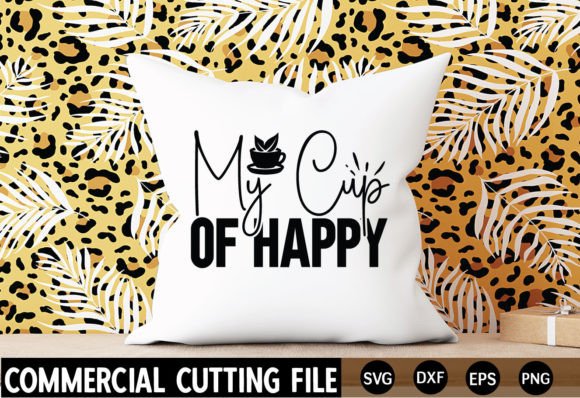
My-cup-of-happy SVG: Craft Graphics for Content Publishers
Sometimes a single graphic design asset does more than fill a blank canvas. The first time I opened My-cup-of-happy SVG, I immediately saw a visual tool that could shift the editorial mood of a blog from generic to warm, inviting, and intentionally styled. For anyone who publishes content in the crafts, lifestyle, or creative hobby space, this file set feels less like a generic clip art piece and more like a small branding upgrade waiting to happen.
In a content publishing world where readers judge a site’s trustworthiness in fractions of a second, the right blog graphics can make or break that first impression. My-cup-of-happy SVG balances a playful, almost whimsical energy with clean vector lines that hold up beautifully when scaled, layered, or placed inside a structured editorial layout. It leans gently into a feminine, modern craft aesthetic without feeling overly decorative, which is a difficult line to walk. That balance makes it useful for a surprisingly wide range of digital publishing projects.
The Mood This Graphic Brings to Your Blog
Visual mood matters more than many bloggers realize. My-cup-of-happy SVG creates an immediate sense of cozy, personal creativity. It hints at morning rituals, quiet studio time, handmade business energy, and the kind of content that feels both aspirational and approachable. That emotional undercurrent is exactly what lifestyle bloggers, craft entrepreneurs, and content creators in the DIY space often struggle to build into their visual identity.
When you place this graphic inside a website header, a featured image, or even a Pinterest pin, the message it silently sends to readers is, “This space is warm, creative, and real.” It doesn’t shout. It invites. And in a publishing landscape full of loud, impersonal stock imagery, that invitation can translate into longer time on page, lower bounce rates, and stronger reader trust.
Placing My-cup-of-happy SVG in a Real Publishing Workflow
From a digital publisher’s perspective, the true test of any design asset is how it performs inside real content workflows. I mentally dropped My-cup-of-happy SVG into several common publishing scenarios: a weekly newsletter banner for a craft subscription box, a lead magnet cover for a printable planner, a Pinterest pin promoting a tutorial on handmade mugs, and a category thumbnail for a blog that sells small-batch decals and shirts.
In each case, the graphic held its own. It didn’t blend into the background, and it didn’t overpower the accompanying text. That kind of visual restraint is precisely what you want from a graphic design asset that will sit beside headlines, calls to action, and affiliate links. The file set includes SVG, PNG, EPS, and DXF formats, which means you can drop it into Canva, Adobe Illustrator, Photoshop, or even a simple web design tool and resize it without losing the crisp vector quality. For a blogger who also sells physical products like mugs, tumblers, or tote bags, the same file can be used for both digital content and physical product decoration, which is a rare and practical bonus.
Where This Design Asset Supports Content Performance
Strong visual hierarchy is a quiet driver of content marketing success. My-cup-of-happy SVG can anchor a hero image, draw the eye toward a headline, or frame a free digital guide in a way that makes the entire page feel more professionally designed. When used consistently, it helps build a recognizable brand identity that readers come to associate with quality, reliability, and a specific content niche.
I’ve seen how a single well-chosen graphic can increase click-through potential on Pinterest pins simply because it makes the pin feel more editorial and less like a rushed social media graphic. The same applies to featured images inside blog posts, newsletter headers, and even the visual previews that appear when a link is shared on social platforms. My-cup-of-happy SVG has the gentle, hand-drawn personality that stops a scroll without looking like clickbait.
When to Use This Design Asset Without Hesitation
There are content spots where this file shines immediately. I would use it for:
- Article thumbnails for craft tutorials, DIY projects, or recipe posts where a warm, homey feel matters.
- Pinterest pins targeting audiences interested in handmade goods, sublimation projects, or small business branding.
- Website hero images for creative shops, maker portfolios, or lifestyle blogs that want to signal approachability.
- Lead magnet covers for digital downloads, printable planners, or craft pattern guides.
- Newsletter graphics that need to feel personal and consistent with a blog’s visual identity.
- Social media previews for Instagram Stories, Facebook posts, or link previews that demand a clean, modern design.
In all these contexts, My-cup-of-happy SVG acts as a unifying visual element. It adds a layer of polish that feels intentional, not forced, and that is exactly what separates a hobby blog from a professional publishing asset.
Where to Be Cautious With My-cup-of-happy SVG
No design asset is perfect for every layout. Because this graphic carries a soft, playful character, it may feel out of place inside extremely corporate content, serious financial advice blogs, or minimalist tech websites where visual warmth can undermine the perceived authority of the content. Small mobile thumbnails also deserve careful testing. The detail in the vector lines, while beautiful, can become muddy if the graphic is reduced too aggressively and placed on a busy background or low-contrast surface.
I also recommend avoiding the temptation to use this file as a text-heavy blog image background. It works best as an accent, a focal point, or a supporting element rather than a full-image backdrop. Let it breathe, and it will reward you with a cleaner editorial design.
Testing the Asset Across Devices and Layouts
Before you publish anything with My-cup-of-happy SVG, spend a few minutes previewing it inside a real blog layout. I always test a new graphic design asset on desktop and mobile screens, inside a draft post, and as a simulated Pinterest pin. Check how it sits beside serif fonts, sans serif fonts, script fonts, and even handwritten fonts. The vector quality keeps the lines sharp, but the emotional tone of the graphic can shift subtly depending on the typography you pair it with.
For example, a clean sans serif font emphasizes the modern, clean side of the design, while a soft script font amplifies the handmade, craft feel. I also test the PNG version in black and white to see if the graphic still communicates effectively when color is stripped away. In most cases, My-cup-of-happy SVG holds up well, but that quick check ensures you’re never surprised by how it renders in a newsletter or a printed lead magnet.
How the File Types Support Content Creators
The zip file includes one SVG, one PNG, one EPS, and one DXF file. For a digital publisher, the SVG is the most flexible. It’s a true vector file, which means you can scale it to any size without losing quality, edit colors, and even separate layers in advanced design software. The PNG is ready for immediate use in Canva templates, blog posts, and quick social media graphics. The EPS file is a solid backup for those who work in older or more professional vector editing programs, and the DXF format opens doors for crafters who also use cutting machines for physical products like decals, shirts, mugs, and tumblers.
This multi-format approach is a thoughtful touch. It means you can design a blog graphic in the morning, turn the same design into a printable download in the afternoon, and still use the file for a sublimation project on a bag or shirt if your content supports a related product line. The creative flexibility is real, and it supports a more integrated content marketing strategy.
Licensing and Commercial Use for Monetized Blogs
Before you upload this graphic to a monetized website, an affiliate page, or a paid digital product, confirm the commercial license terms. The product description emphasizes quality vector work and broad creative usage, but every publisher should verify that the license covers commercial design, digital products, and use inside content that generates revenue. If you plan to sell printables, Canva templates, or digital guides that include this graphic, you may need an extended commercial license. Taking a moment to check this protects your work and keeps your blog legally sound.
A Quick Note on Font Pairings and Readability
When I place My-cup-of-happy SVG beside different font styles, the graphic consistently complements type that feels personal and slightly informal. Handwritten fonts, rounded sans serifs, and soft serif fonts all pair beautifully. Avoid overly rigid, geometric typefaces that might clash with the organic lines of the design. The goal is to keep the visual hierarchy clear: the graphic supports the message, it doesn’t compete with it.
If you’re using the PNG inside a blog post, also check the file size and compress it properly for web performance. Large images slow down page speed, which can hurt search engine rankings and reader experience. A well-optimized PNG, placed intentionally, loads quickly and keeps your editorial design looking sharp without sacrificing performance.
Building a Consistent Brand Identity With One Graphic
What I appreciate most about My-cup-of-happy SVG is its ability to anchor a small business branding effort. For bloggers who can’t invest in custom illustration work, a single high-quality graphic like this can become a recognizable visual signature. Use it consistently across your blog graphics, social media graphics, and digital download covers, and you’ll start to build a visual identity that feels cohesive and deliberate.
This is the kind of asset that works beautifully inside a creative marketplace listing, a media kit, or even a content upgrade designed to grow an email list. It’s not just a decoration; it’s a tool for clearer communication, stronger reader connection, and a more professional-looking online presence.
For anyone publishing in the crafts niche, building a lifestyle brand, or creating content that celebrates handmade living, My-cup-of-happy SVG is a smart addition to your digital toolkit. It brings warmth, editorial polish, and the kind of visual consistency that quietly builds reader trust over time.