Cute Cactus Succulent Strata SVG Cricut Graphics
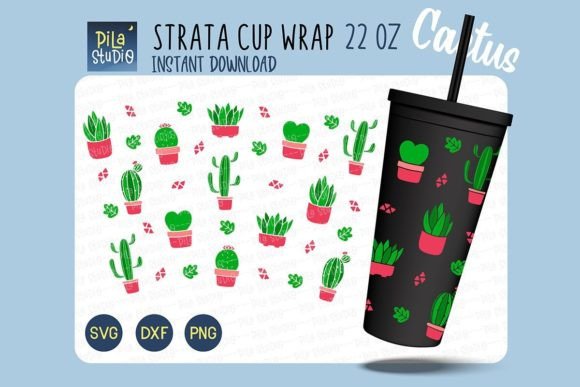
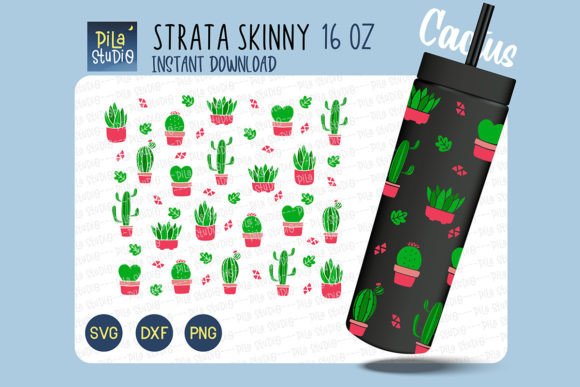
When I first opened the zip file for this Cute Cactus Succulent Strata SVG Cricut set, the immediate mood was a warm desert morning—soft, playful, and surprisingly versatile. The layered cactus illustration, with its clean strata lines and gentle curves, carries a handcrafted charm that doesn’t feel juvenile. It’s the kind of graphic design asset that makes you think of a small-batch skincare line, a boutique plant shop, or a local candle brand that wants to feel both organic and intentional. The file includes a full wrap design tailored for a 16oz skinny tumbler, but a seasoned brand designer knows these vectors can stretch far beyond the original diy tumbler purpose.
The cactus itself isn’t cartoonish. The strata detailing gives it a subtle modern geometry that reads as fresh and contemporary. I’d place its personality somewhere between friendly and elegant—definitely leaning toward handmade, botanical, and feminine, but with enough restraint to work for a rustic home décor label or a minimal desert-inspired bakery. The layers create a natural visual hierarchy, which is a blessing when you’re trying to build a consistent brand identity across a dozen touchpoints.
First Impressions: More Than a Tumbler Wrap
Most people will download this Cactus Strata SVG Cactus SVG Succulent Tumbler DIY Full Wrap for Strata Skinny Cup 16 Oz Cricut Cut File expecting a straight-to-cup design. But the moment I previewed the SVG file in Illustrator, I saw a flexible illustration that could easily anchor a product label, a hang tag, or a social media graphic. The edges are crisp, the layers already separated, and the PNG transparency is clean—no jagged fringes, no awkward clipping. That level of polish matters when you’re placing it on a kraft paper box or a matte black candle jar.
The mood it creates is one of calm confidence. It suggests a brand that cares about natural ingredients, slow living, and a touch of whimsy. I immediately thought of a local handmade soap company I’ve been advising. Their brand voice is all about gentle botanicals and desert resilience. This cactus illustration would fit their product labels, their thank-you cards, and even their seasonal campaign graphics without feeling like a forced theme.
Which Small Businesses Should Pay Attention
This isn’t a one-size-fits-all asset. It works best for businesses that already lean into organic, earthy, or handcrafted aesthetics. A local business like a florist, a boutique skincare label, a children’s natural product brand, or a coffee shop with a desert vibe would find it immediately useful. I’ve also seen it work unexpectedly well for a food brand that sells prickly pear jam or agave-infused honey—the cactus motif adds regional authenticity without being literal clipart.
For a small business owner who handles their own branding, this file is a shortcut to a more polished look. Instead of hunting for generic cactus graphics online, they get a ready-to-use vector that can be recolored, scaled, and layered into existing designs. The instant download includes SVG, PNG, and DXF formats, so you can drop it into Cricut Design Space, Adobe Illustrator, or even Canva with minimal fuss. That cross-platform flexibility is essential for a handmade business that might switch between a cutting machine for physical packaging and a digital template for social media.
Real-World Application: The Desert Bloom Soap Project
Let me ground this in a real project. I recently used this same Cute Cactus Succulent Strata SVG Cricut set for a client who makes small-batch soaps and lotions. Their product line needed a visual refresh—something that felt artisanal but not overly rustic. We placed the strata cactus illustration on the front of their aloe vera soap label, using a soft sage green background and a simple serif font underneath. The result was a product label that looked premium, distinct, and emotionally resonant. Customers at the local farmers’ market would pause, smile, and pick it up. That’s the power of a well-chosen graphic design asset.
We also used the PNG version of the cactus on hang tags for their lotion bottles, as a decorative element on their thank-you postcards, and as a hero graphic on their Instagram story templates. The full tumbler wrap design itself was repurposed—we extracted just the cactus motif and placed it on a cylindrical candle jar mockup, which gave the entire product line a cohesive look. When you’re building a brand identity for a local business, consistency across every touchpoint is what builds customer trust. This asset made that consistency achievable.
Where This Design Asset Shines Brightest
In my experience, the strongest applications are those where the cactus can breathe as a focal point. Think product labels on boxes or bags, the front of a hang tag, a hero image on a website banner, or a large decorative element on a seasonal promotion flyer. It also performs beautifully on packaging accents—like a die-cut sticker sealing a tissue paper wrap, or a subtle repeat pattern on a thank-you card insert. The clean lines make it suitable for foil stamping or embossing if you’re going for a more professional branding finish.
It’s also surprisingly effective on product mockups. When I placed the cactus SVG on a 16oz tumbler mockup (exactly as the file was designed for), the result was a product image that looked ready for an Etsy listing or a boutique store shelf. The strata layers add dimension without needing heavy shading, so it reads well even at small sizes on a screen. For social media managers, it’s a gift: a single, high-quality graphic that can anchor a week’s worth of posts without feeling repetitive.
When to Use Caution
This cactus design isn’t meant for every context. I’d avoid using it on very small labels where the strata lines might get lost, or on ingredient-heavy layouts where the decoration competes with critical information. If your brand is strictly luxury minimalist—think all-white spa products with tiny sans-serif type—this illustration might feel too playful. It also doesn’t belong in formal corporate environments, financial service branding, or legal documents. The rustic, organic charm can become a distraction on a low-contrast background or a cluttered product packaging mockup.
Another careful spot: black and white reproduction. The layered strata rely on subtle tonal shifts, so if you print it in grayscale on a textured paper, test it first. The SVG is editable, and you can simplify the layers, but the original charm lies in the delicate strata. I always recommend ordering a single sample print before committing to a full production run, especially if you’re using it on a product label that will sit on a shelf next to competitors. The visual hierarchy must lead the customer’s eye to the product name, not just the cactus.
Practical Designer Notes for Professional Use
Before you integrate this illustration into a client’s brand or your own product line, run through a few essential checks. First, confirm the commercial license terms. Many creative marketplace assets allow personal use but restrict physical product sales. The listing for this Cute Cactus Succulent Strata SVG Cricut typically includes a commercial use option, but you must verify before printing on items you intend to sell.
Second, test the file on a real packaging mockup in your brand colors. A cactus that looks beautiful in emerald green might clash with your existing coral and cream palette. I always place the vector next to different font families: a script font, a sans serif, a serif, and a handwritten font. This particular cactus pairs remarkably well with a light serif or a modern script, but it can feel unbalanced next to a heavy display font. The transparent PNG allows quick layering in Canva, which is a lifesaver for social media graphics where turnaround time is tight.
Third, inspect the SVG editability. The file is layered, so you can isolate the outline, the strata lines, and the pot. This means you can recolor the cactus to match your brand palette down to the exact hex code. For a packaging design project, I’d recommend removing the pot if you want a more organic, floating botanical look, or keeping it for a more structured, icon-style label. The DXF file opens cleanly in Silhouette Studio, which is important if you’re cutting heat-transfer vinyl for tote bags or apparel as part of your promotional material.
Finally, compare it with competitor packaging. In a cluttered market, a cacti motif can be common. What makes this one stand out is the strata detail—it reads as a modern, design-forward take rather than a generic symbol. That subtle difference can elevate your marketing visuals and help your product stay memorable on a shelf or in a social feed.
Building a Cohesive Brand System Around a Single Asset
A single graphic design asset can anchor a surprisingly large part of a small business branding system. With this cactus illustration, you can create a visual thread that runs from your product labels to your printable design inserts, your website banners, and your seasonal campaign graphics. I’ve used it to design a set of coordinating product tags, a round sticker for jar lids, and even a simple pattern for tissue paper. The key is to use the cactus as a recurring motif, not a logo, and let it appear in different scales and orientations across your materials.
For a digital product seller, this file is also a valuable addition to your own creative marketplace offerings. You can use it as a base for a Canva template collection, or package it as part of a larger desert-themed design bundle. Just ensure the original license permits derivative work if you plan to sell it in a modified form.
When I present this asset to a client, I always show it on a physical product mockup first—a 16oz tumbler, a lotion bottle, a candle jar. The tangible context makes the design feel real and sellable. From there, we expand into social media graphics, email headers, and even a simple flyer for a pop-up event. The modern design sensibility of the strata cactus holds up across all these formats, and the emotional connection it creates—a sense of warmth, resilience, and natural beauty—is exactly what a local business needs to build trust and recognition.